


 Red wine
 White wine
 Rosé wine
 Primeurs
 Sherry and Port wine
 Sweet wine
 Orange wine
 Vermouth
 Champagne
 Cava
Cava Prosecco
 Lambrusco
 Crémant
 Moscato d'Asti
 Franciacorta
 Pet-Nat
 Corpinnat
 Other sparkling wines
 Rhum
Rhum Gin
Gin Whisky
 Vodka
Vodka Cognac
 Brandy
 Pastis
 Tequila
 Mezcal
 Grappa and Eau de vie
 Calvados
 Liqueurs
 Pacharán
 Apéritifs
 Wine gift boxes
 Boxed wines
 Boxed sparkling wines
 Wine bottles and glasses
 Gift card
 Non alcoholic Wine
 Non alcoholic Sparkling wine
 Non alcoholic Gin
 Other non-alcoholic drinks
 Aromas
 Wine conservation
 Decanters and aerators
 Bottle identifiers
 Corkscrews
 Service
 Glass identifiers
 Cleaners
 Accessories set
 Wine glasses
 Contact

Sweet wines of the world, pure seduction!
The world of wine is a fascinating and diverse universe that offers a wide range of flavours and experiences. There is one corner where sweetness becomes an art, where the balance between sugar and acidity creates unique sensations.
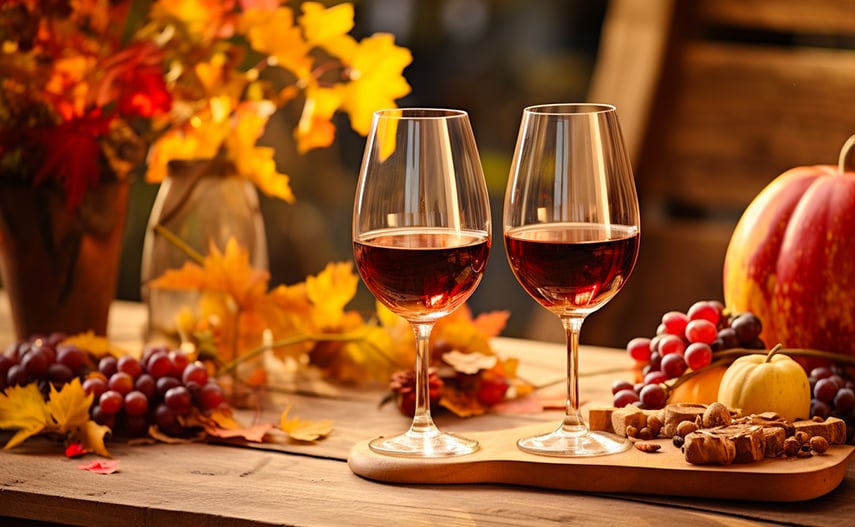
From the hills of France’s Sauternes region to the sunny vineyards of Hungary’s Tokaj region, sweet wines have been seducing the palates of wine lovers for centuries.
We would encourage you to take a journey through some of the regions with the most famous and captivating sweet wines in the world. Get ready for a wine adventure full of sweetness and flavour!
Let’s get started!
Sweet wines from Sauternes (France)
The world’s most famous white liqueur wine is born in Sauternes, which is part of the famous Bordeaux wine region in southwest France. Sauternes wines, along with Médoc wines, were the only ones to receive their own classification in 1855, during the Official Classification of Bordeaux Wine commissioned by Napoleon III.
What makes Sauternes wines unique is the action of the botrytis cinerea fungus, also called “noble rot”, which occurs through the meeting of the cold waters of the Ciron River with the warmer waters of the Garonne River, which causes a fog that encourages its development. This fungus dehydrates the grapes and concentrates their sugars and flavours.
Sauternes wines are known for their sweetness, complexity and elegance. Their flavours range from citrus and tropical fruits to honey, caramel and nuts; they have such exquisite acidity that, despite their sweetness, they are seductively fresh.
Sweet wines from Tokaj (Hungary)
Tokaji sweet wines, which just means “from Tokaj”, a region in northeastern Hungary, like Sauternes, are made from grapes affected by botrytis cinerea. They are considered true winemaking gems because as well as being known for their sweetness, complexity and aging ability, they are a testament to the art of winemaking and Hungary’s historical heritage and have unique characteristics that distinguish them.
Tokaji wines are made mainly from two grape varieties, Furmint and Hárslevelű. And they are classified according to their level of sweetness on a scale of puttonyos. Traditionally, Puttonyo was the name of a basket containing 25 kg of grapes attacked by botrytis cinerea. The more baskets (puttonyos) used in production, the sweeter the wine. When made entirely from grapes with noble rot, the resulting wine is known as Aszu Eszencia.
Tokaji wines usually have flavours of dried fruits, apricot, honey, candied citrus and spices. They have a fresh acidity that balances their sweetness and provides complexity and an extraordinary aging capacity.
Sweet Wines from Porto (Portugal)
Port wines are an icon of Portuguese wine culture. People say they came about accidentally, when some English merchants, while visiting a monastery in the Douro Valley, tasted a soft and sweet red wine that captivated them. When asked where it came from, the abbot of the monastery confessed his secret: he added a little brandy to the wine, which gave it that delicious flavour.
The added alcohol was also an ally that helped the wine withstand the long sea voyages, arriving at its destination in optimum condition.
Up to 80 authorised white and red grape varieties can be used to produce Port wine. Unlike Sauternes or Tokaj wines, its sweet taste is created by stopping fermentation with wine alcohol right when the level of residual sugar is what the winemaker wants. They are then aged in barrels until the desired characteristics develop in each category.
Seductive, complex and long-living, they are also so versatile that they can be enjoyed from aperitif to after-dinner. Definitely a wine gem that Portugal has gifted to the world.
Sweet wines from Marco de Jerez (Spain)
The Marco de Jerez, in southern Spain, is famous for its fascinating wines, including sweet wines. These wines are created from Muscat and Pedro Ximénez grapes grown in limestone soils known as albariza, under the warm Andalusian sun.
The sweet Pedro Ximénez wines in particular are made from overripe grapes that are exposed to the sun on mats to create raisined grapes (asoleo). This process concentrates sugars, colour and flavour. They are then pressed and fermented, stopping fermentation with wine alcohol to maintain the desired sweetness. Finally, the wines are fortified and aged using the soleras and criaderas system that is so characteristic of the Marco de Jerez, which blends wines of different ages to achieve a unique style that contains the history of many years of aging.
There are also other types of sweet wine vinification, like Pale Cream wine, which is made from a wine aged under a yeast cap (fino or manzanilla) to which concentrated must is added to give a sweet touch.
The extensive classification of sherry wines means they are available in different levels of sweetness and even by vintage, true gems with extraordinary longevity.
These are just four examples of the seductive power that a sweet wine can have, but no doubt every wine region has exquisite examples that are just waiting to be enjoyed, like South Africa’s vin de Constance, Canada’s Icewine, Italy’s Recioto della Valpolicella and Moscato d'Asti, and the incredible sweet wines made with German Riesling.
So the next time you open a bottle of sweet wine, take a moment to appreciate the magic inside and toast to the diversity and beauty that this wonderful world of wine has to offer. Cheers!