 Red wine
 White wine
 Rosé wine
 Primeurs
 Sherry and Port wine
 Sweet wine
 Orange wine
 Vermouth
 Champagne
 Cava
Cava Prosecco
 Lambrusco
 Crémant
 Moscato d'Asti
 Franciacorta
 Pet-Nat
 Corpinnat
 Other sparkling wines
 Rhum
Rhum Gin
Gin Whisky
 Vodka
Vodka Cognac
 Brandy
 Pastis
 Tequila
 Mezcal
 Grappa and Eau de vie
 Calvados
 Liqueurs
 Pacharán
 Apéritifs
 Wine gift boxes
 Boxed wines
 Boxed sparkling wines
 Wine bottles and glasses
 Gift card
 Non alcoholic Wine
 Non alcoholic Sparkling wine
 Non alcoholic Gin
 Other non-alcoholic drinks
 Aromas
 Wine conservation
 Decanters and aerators
 Bottle identifiers
 Corkscrews
 Service
 Glass identifiers
 Cleaners
 Accessories set
 Wine glasses
 Contact

The Influential Grape: Sauvignon Blanc
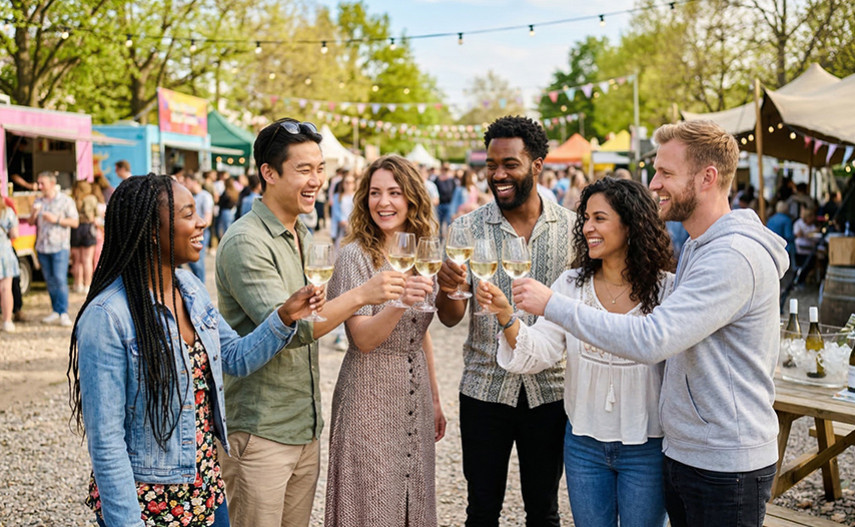
Rosalía dedicates a song to it. Taylor Swift enjoys it openly. At outdoor parties, aperitifs, or afterworks, there is always a well-chilled glass waiting for its moment. What is it about sauvignon blanc that has made it one of the most talked-about grapes of the moment?
What is undeniable is that consumption habits are evolving: lighter dishes, plant-based cuisine, seafood, Asian gastronomy... Moreover, informal occasions are becoming increasingly prevalent. It is precisely then that sauvignon blanc fits like a glove. Fresh, direct, expressive. It requires no embellishment or lengthy aging to shine.
And that's not all. Due to its characteristics, this white variety is winning over the younger generations. Among those under 35, fresh and light white wine has become the favourite. Refreshing and easy to enjoy, it is a grape that, without intending to, ends up captivating and engaging.
The Loire: the purest expression of sauvignon blanc
In France, sauvignon blanc is the third most planted white variety. But it truly shines in the Loire Valley. There, some of the world's most iconic sauvignon blancs are born, such as those from Sancerre and Pouilly-Fumé.
Domaine Serge Laloue Sancerre Blanc |
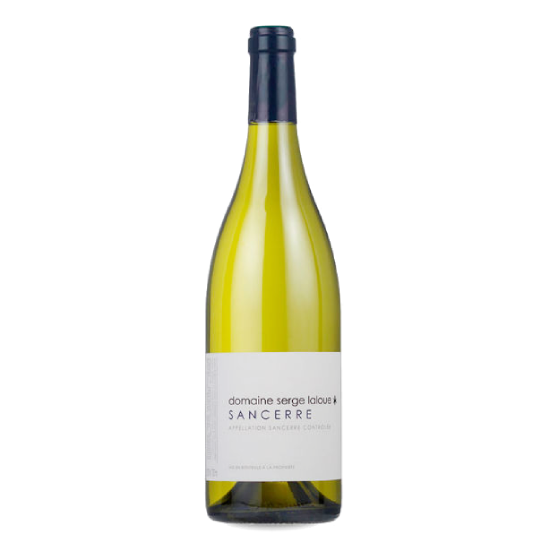 |
An elegant sauvignon blanc from the Loire Valley, crafted in vineyards with calcareous and flint soils, fermented with native yeasts and aged on lees, which purely reflects the mineral and distinctive character of the Sancerre terroir. |
The region combines limestone, clay, and silt soils with a temperate climate, creating wines that are mineral, precise, and full of tension. Everything revolves around the Loire River, the longest in France, which traverses over 1,000 km of changing landscapes and provides unique microclimates to each vineyard.
In the Loire, sauvignon blanc reaches its pinnacle of expression: vibrant minerality, citrus and herbaceous notes, perfect for pairing with fresh and light cuisine. This is the classic style that many consider the ultimate benchmark for the variety.
The New World: freshness, fruit, and personality
Although it originated in Europe, sauvignon blanc found new life in the New World, adapting to different climates and soils to develop more expressive and fruity styles.
In New Zealand, particularly in Marlborough and Nelson, the alluvial soils and the cool, sunny climate allow the grape to retain a lively acidity while developing intense aromas of tropical fruit, passion fruit, lime, and freshly cut grass. This combination of freshness and aromatic power has made the country the modern reference for sauvignon blanc, capable of competing with the European classics.
Cloudy Bay Sauvignon Blanc |
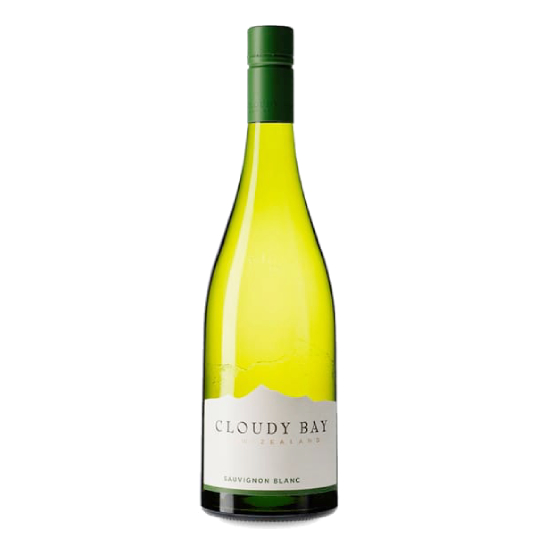 |
A New Zealand white wine made with sauvignon blanc in Marlborough, sourced from vineyards in the Wairau Valley and vinified on lees to enhance the intensity, complexity, and character of the New Zealand style |
In the United States, especially in California, microclimates make the difference. Coastal areas offer fresh, citrusy, and light wines, while the warmer inland valleys allow for more structured and complex wines. This diversity makes sauvignon blanc adaptable to both local gastronomy and international palates.
Arnot-Roberts Yorkville Highlands |
.png) |
A vibrant organic white wine from California that captures the essence of the Yorkville Highlands AVA: 100% sauvignon blanc, fresh and sparkling, transporting you to a stroll through the Californian vineyards. |
In South Africa, the influence of the Atlantic Ocean and the sea breeze brings freshness and vivacity to the wines. The varied soils and temperate climate produce vibrant sauvignon blancs, with intense fruit and marked minerality, establishing the grape as one of the most dynamic and versatile in the country.
Reyneke Biodynamic Sauvignon Blanc |
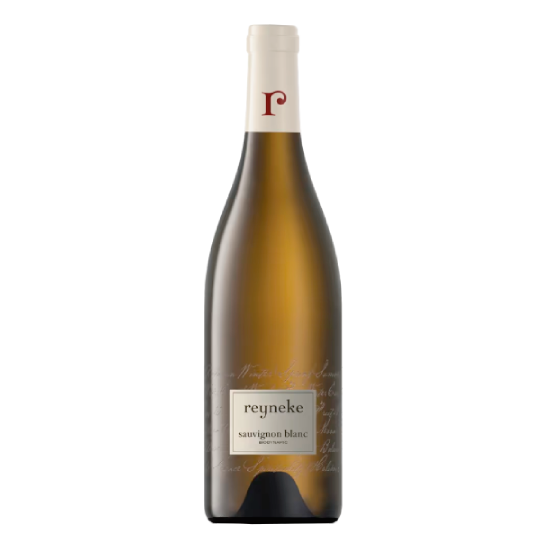 |
A South African sauvignon blanc from Stellenbosch, vibrant and elegant, crafted biodynamically with minimal intervention, reflecting freshness, minerality, and the authentic personality of the terroir in every sip. |
This diversity makes sauvignon blanc perfect for multiple styles of cuisine and all kinds of occasions: light, gastronomic, and social.
A wine without complexities
Most dry sauvignon blancs are intended to be consumed young. Their charm lies in their freshness, aromatic liveliness, and that acidity that invites another sip.
And here is a practical detail that reinforces its modernity: the screw cap. Sauvignon blanc was one of the first varieties—along with riesling—to adopt it on a large scale. It preserves freshness and aromatic purity without diminishing its prestige. Quite the opposite: it became a natural ally of this modern, practical, and uncomplicated grape.
Sauvignon blanc requires no marketing strategy. Influencers mention it, share it, and celebrate it almost unconsciously. It simply aligns with the new times.
Light when the consumer desires lightness. Gastronomic when the cuisine becomes fresher. Versatile when occasions multiply. And perhaps therein lies the secret of its success: it is the grape that perfectly understands how people drink today.