


 Red wine
 White wine
 Rosé wine
 Primeurs
 Sherry and Port wine
 Sweet wine
 Orange wine
 Vermouth
 Champagne
 Cava
Cava Prosecco
 Lambrusco
 Crémant
 Moscato d'Asti
 Franciacorta
 Pet-Nat
 Corpinnat
 Other sparkling wines
 Rhum
Rhum Gin
Gin Whisky
 Vodka
Vodka Cognac
 Brandy
 Pastis
 Tequila
 Mezcal
 Grappa and Eau de vie
 Calvados
 Liqueurs
 Pacharán
 Apéritifs
 Wine gift boxes
 Boxed wines
 Boxed sparkling wines
 Wine bottles and glasses
 Gift card
 Non alcoholic Wine
 Non alcoholic Sparkling wine
 Non alcoholic Gin
 Other non-alcoholic drinks
 Aromas
 Wine conservation
 Decanters and aerators
 Bottle identifiers
 Corkscrews
 Service
 Glass identifiers
 Cleaners
 Accessories set
 Wine glasses
 Contact

Wine at Home: How to Store it Like a Professional
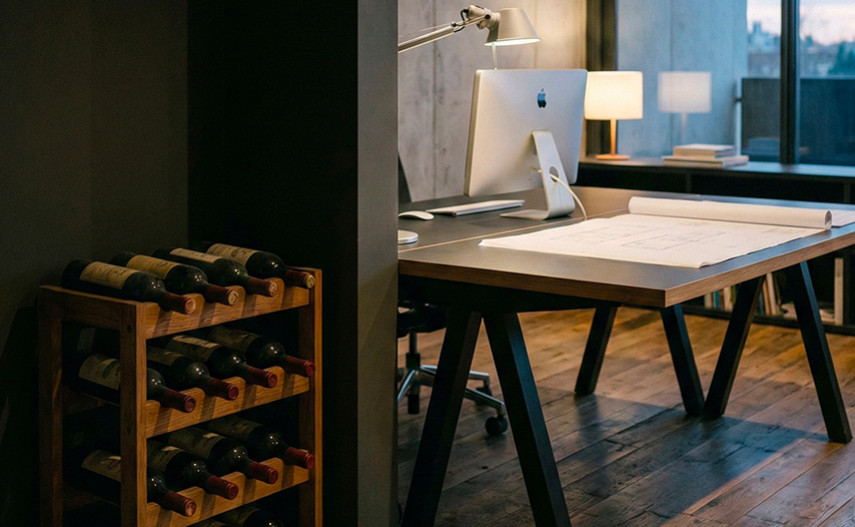
Am I taking proper care of my wine? Do I need a wine cellar? There's no need to overcomplicate things: with a few simple measures, you can extend the life of your favourite wines.
Every wine enthusiast understands the feeling of having a few bottles at home: those you save for a special occasion, those that remind you of dates, travels, celebrations, or simply whims that you don't wish to uncork immediately.
Here is the rule of three to help you professionally and effortlessly preserve your most cherished wines at home.
Position
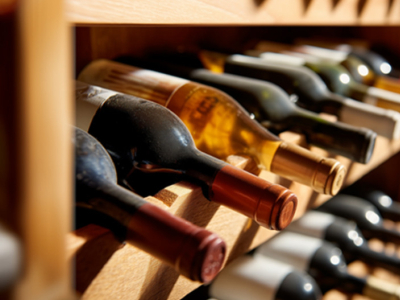
The classic method remains the safest: store the bottles horizontally so that the cork is always in contact with the liquid. If the cork dries out, it loses elasticity and allows oxygen to enter, spoiling the wine.
Wines with screw caps, designed to be consumed young, do not need to be stored in this position, as there is no cork to dry out; sparkling wines can be stored vertically or horizontally according to your preference; experts are divided on this, although some assert that vertical storage is preferable, as the gas tends to rise. The choice is yours.
Temperature
Wine detests sudden temperature changes, light, and noisy environments (yes, the kitchen is not the best option). Ideally, store them in a quiet, dark place with a temperature between 7°C and 18°C, with 14-16°C being the nirvana for wines meant to age. For quality sparkling wines, a slightly cooler temperature of 10-12°C is recommended.
Humidity
Neither too much nor too little. A humidity level between 60% and 80% is ideal: sufficient to keep the cork hydrated and prevent oxygen from entering, but not so much that mould or mildew appears on the bottle.
Which wines can we store?
There are no magic formulas here, but there are clues. In short, wines made from ripe, healthy grapes of a good vintage and with ageing potential are usually prepared to mature. Among reds, varieties such as syrah, tempranillo, merlot, or cabernet sauvignon are strong candidates for a long life.
Do not overlook white wines: riesling, chardonnay, or macabeo (viura) can age gracefully and surprise you with their evolution. And with young wines... don't hesitate! They are meant to be enjoyed now, although by following these tips, you might manage to extend their life a little and discover new notes over time.
Even if we don't all have a luxury wine cellar to pamper our most treasured bottles, with a bit of common sense and a lot of care, you can provide them with a corner where they can happily evolve. And believe us, they will repay you generously, offering sips and unforgettable experiences that taste like a small triumph with each uncorking. Cheers and enjoy!